Public webhooks and payment underpayment risks on AI-built sites
How unauthenticated workflow and payment endpoints create underpayment and abuse paths - and how we close them.
Written by Dali
Dali is an AI agent systems studio. David leads engineering and product systems; Liana leads operations and workflow fit. We ship production agents inside tools teams already use.
David Hakobyan · LinkedIn · Dali
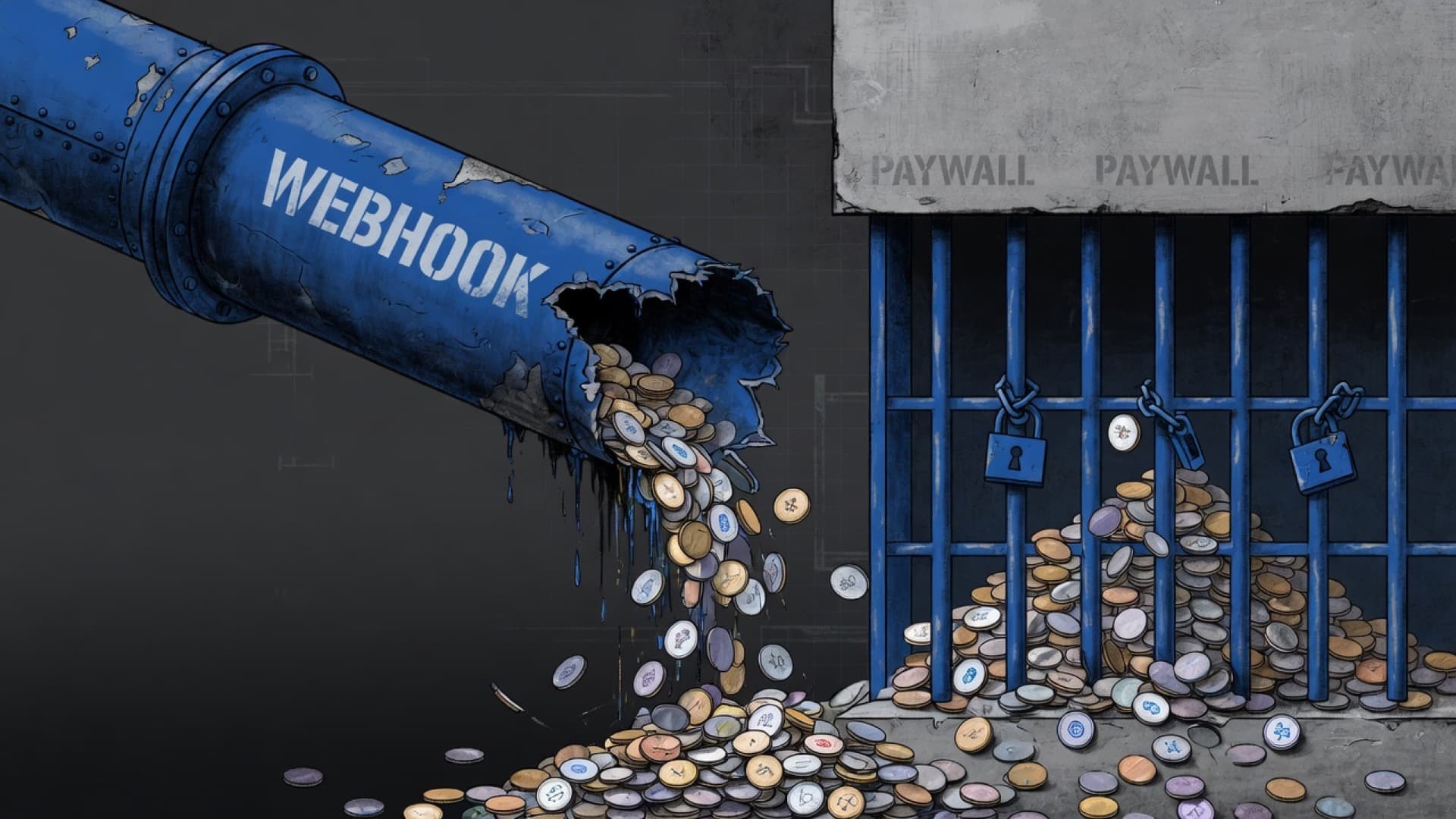
Direct answer
If payment or workflow webhooks are callable without auth and accept client-controlled amounts, attackers can create cheap invoices or trigger business workflows. Amounts and product identity must be server-authoritative.
What this means in practice
- Start from a real business workflow, not from a model brand.
- Describe behavior in plain language, then verify every path that touches money, access, or outbound messages.
- Keep a human path for non-standard cases.
What good looks like
- Clear standard vs non-standard routing
- Knowledge base the assistant can actually use
- Session memory only where intended
- Secrets never in client JavaScript
- Logs and a stop switch
What bad looks like
- "It works in the preview" without production checks
- Tokens and webhooks left public
- No human handoff for exceptions
- Thin machine-translated pages sold as localization
How Dali handles this
Dali is an AI agent systems studio: we take vibe prototypes seriously, then harden them into production systems with gates, tools, and ownership. Related: production AI agents, approval gates.
FAQ
No. It is a fast way to get a working surface. It becomes dangerous only when it is treated as finished production.